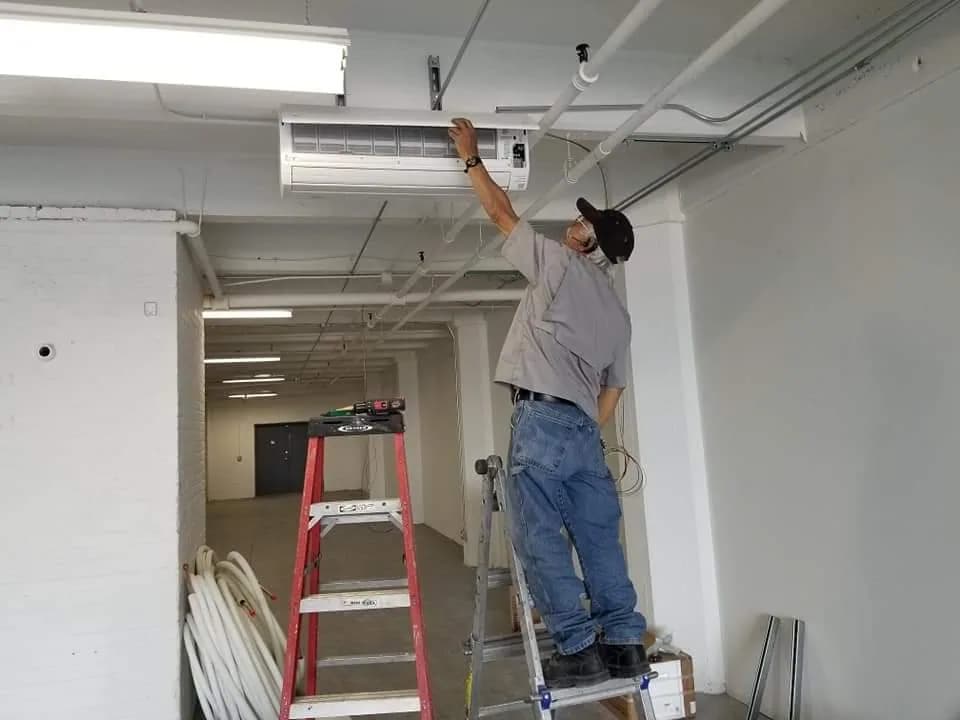
HVAC emergency in Chicago? Call Bernie's Heating & A/C Service now! Same-day service available for all heating and cooling emergencies.
Last winter a homeowner in Jefferson Park called us cause her family kept getting sick. Turns out there new energy efficent windows and insulation made the house so tight that stale air was building up inside. We installed an ERV for $$$ and the difference was huge - fresh air without loosing all that heat.
Modern homes are sealed tight for energy efficency - but that traps stale air inside. ERV and HRV systems bring in fresh outdoor air while recovering 70-80% of the energy that would otherwize be lost.
Opening windows isn't practical in Chicagos climate - youd freeze in winter or let in humid air in summer. Homeowners in Irving Park, Portage Park, Albany Park and across the north side are finding that energy recovery ventilators solve this problem.
New construction and energy upgrades seal homes tight. Without mechanical ventilation, stale air, CO2, and pollutants build up. We see this a lot in newer homes around Lincoln Square and Ravenswood.
Off-gassing from materials, cooking odors, cleaning products, and human CO2 all need continous dilution with fresh air. This is especialy important if anyones got allergies or asthma.
ERVs help balance indoor humidity - reducing winter dryness and summer stickiness without loosing heating/cooling energy. Your not gonna have cracked wood floors or static shocks anymore.
Opening windows wastes 100% of heating/cooling energy. ERVs and HRVs recover 70-80%, making fresh air affordable. You won't see a big jump in your utility bills.
Works automaticaly regardless of outdoor temperature. Fresh air in January when it's -10°F or August when it's 95°F. Set it and forget it basicaly.
Air is filtered as it enters, keeping out pollen, dust, and pollution - important for allergy suffers. Great for homes near busy roads or alleys.
Both systems recover energy from exhaust air. The difference is moisture transfer. Most Chicago homes do better with an ERV but it depends on your specific situation.
Transfers heat between incoming and outgoing air, but not moisture. Best for homes with high indoor humidity problems - like if youve got a lot of condensation on windows.
Transfers both heat AND moisture. Helps maintain humidity levels - adds moisture in dry winters, reduces it in humid summers. This is what we install most often for homes in North Center, Edgewater and Sauganash.
$$$ installed, depending on unit size and ductwork requirements. Many newer homes have provisions for easy installation. Older bungalows in Edison Park or Norwood Park might need a bit more work but it's still usually pretty straightforward.
Simple - clean or replace filters every 3-6 months, annual core cleaning. Much less maintanance than most HVAC equipment. Most homeowners can do it themselves.
ERVs actually help balance humidity - there designed to transfer moisture between airstreams. In winter, they retain indoor moisture. In summer, they reject outdoor humidity. Your gonna notice a improvment either way.
Contact us for a free consultation on ventilation options for your home. We serve Jefferson Park, Irving Park, Portage Park, Albany Park, Lincoln Square, Ravenswood, North Center, Edgewater, Sauganash, Edison Park, Norwood Park and all of Chicagoland.